
In today’s world, nutrition advice is everywhere—yet so are the myths that shape our choices and sometimes stop us from reaching real wellness. Every day, we hear, This is healthy! or Never eat that! It’s easy to get confused, especially when popular beliefs can actually stand in the way of our goals.
But the truth? Many of these myths, from carbs make you fat to eating late at night ruins your diet, have no scientific basis and may even harm your health. As a Dietitian, I see firsthand how misinformation spreads fast on social media, influencing millions and creating doubts about what’s right for our bodies.
Let’s break the cycle! In this blog, I’m debunking five common nutrition myths, sharing the science, and helping you make smarter, evidence-based decisions—one fact at a time.
1. Myth: All Carbs Make You Gain Weight
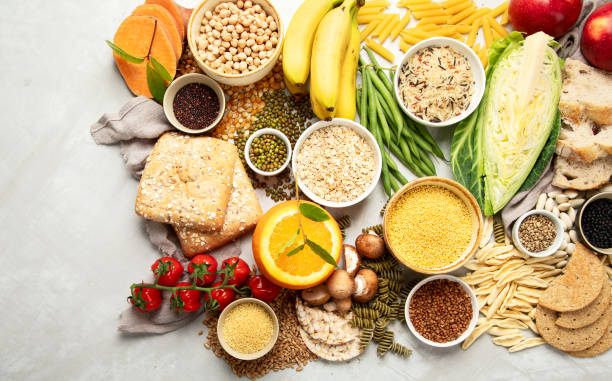
The Misconception: Carbohydrates are the enemy of weight loss, so you must cut them out completely.
The Fact: Carbs themselves aren’t fattening. Whole, unprocessed carbs like oats, lentils, fruits, vegetables, and whole grains are nutrient-dense, provide fiber, and support a healthy metabolism. It’s refined carbs (white bread, sugary snacks, pastries) that spike blood sugar and contribute to weight gain when eaten in excess.
Don’t fear carbs—choose complex ones. A balanced plate with whole grains, legumes, and veggies keeps you energized and satisfied longer.
2. Myth: All Fats Are Bad for You
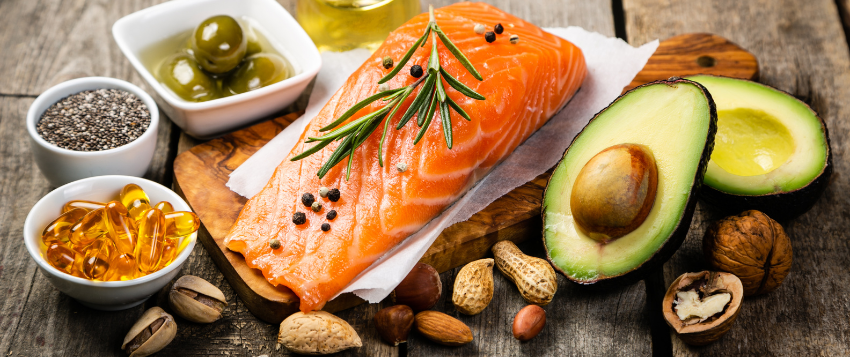
The Misconception: Eating fat makes you fat and harms your heart.
The Fact: Fats are essential for energy, cell membrane health, vitamin absorption (A, D, E, K), brain function, and hormone production. The key is the type of fat: unsaturated fats (olive oil, nuts, seeds, avocados, fatty fish) support heart health, while trans fats and excessive saturated fats (fried foods, processed snacks) should be limited.
Include healthy fats daily. A handful of nuts, a drizzle of olive oil, or half an avocado can improve satiety and nutrient absorption.
3. Myth: Plant-Based Protein Is Incomplete
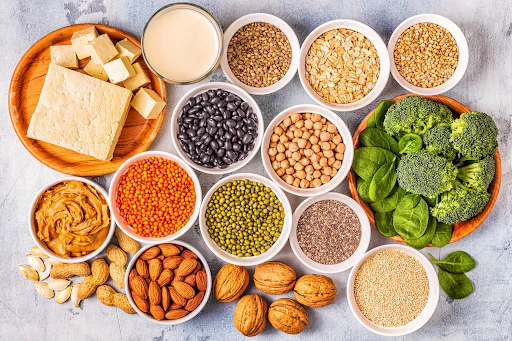
The Misconception: You can’t get all essential amino acids from plants, so you must eat meat to meet protein needs.
The Fact: All plant foods contain all 20 amino acids, including the 9 essential ones. By eating a variety of plant proteins throughout the day (lentils, chickpeas, quinoa, tofu, nuts, seeds, whole grains), you easily meet your amino acid requirements without meat.
Plant proteins are fully adequate. Combine different sources across meals—dal with rice, hummus with whole wheat roti, or a mixed grain bowl—for complete nutrition.
4. Myth: Plant-Based Milks Are Healthier Than Dairy Milk
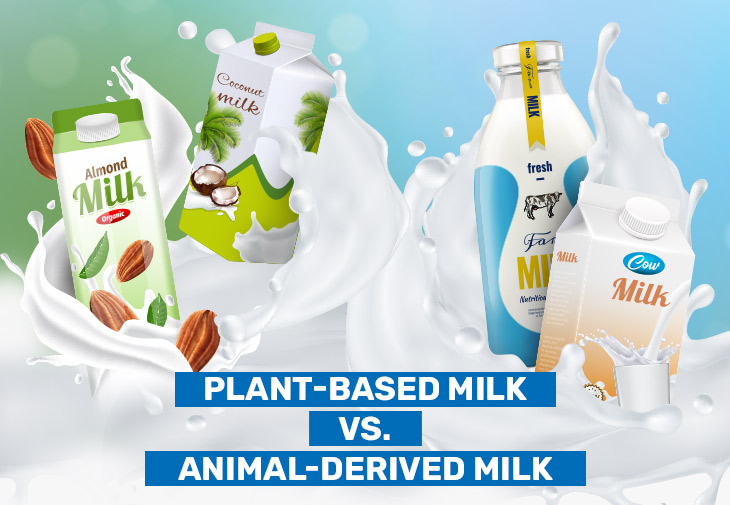
The Misconception: Almond, oat, or rice milk is automatically more nutritious than cow’s milk.
The Fact: Most plant milks are significantly lower in protein than dairy. Cow’s milk has ~8g protein per cup, while almond milk has 1–2g and oat milk 2–3g (unless fortified). Many plant milks also contain added sugars and lack naturally occurring nutrients like B12 and calcium unless fortified.
Choose based on your needs. If you prefer plant milk, pick unsweetened, fortified versions and ensure you’re getting protein from other sources like legumes, nuts, or seeds.
5. Myth: You Must Avoid Gluten Unless You’re Celiac
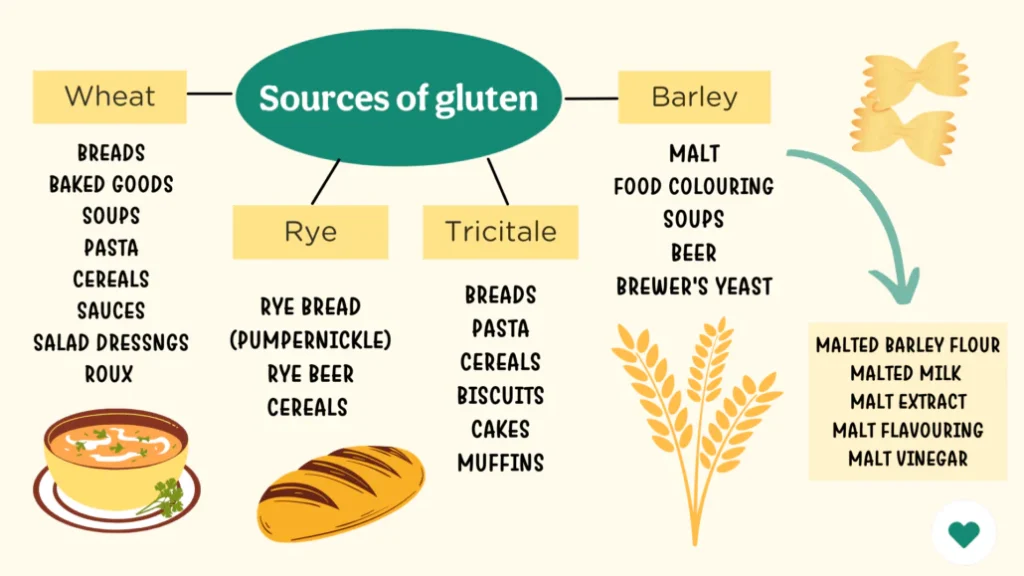
The Misconception: Gluten is inherently unhealthy and should be avoided by everyone for better health.
The Fact: Gluten only needs to be avoided if you have celiac disease, wheat allergy, or non-celiac gluten sensitivity (affecting ~1–3% of people). For most, whole grains containing gluten (whole wheat, barley, rye) provide fiber, B vitamins, and minerals that support gut and heart health.
Don’t eliminate gluten without medical reason. Whole grains are linked to lower risks of heart disease, type 2 diabetes, and certain cancers.